


Controlled Drug Cabinet Regulations for Care Homes in 2026: What Providers Need to Know
Controlled drugs play a vital role in resident care across UK care homes, but they also present significant security, compliance and patient safety challenges. As regulatory expectations continue to evolve, care home providers must ensure their controlled drug storage arrangements meet current legal requirements and recognised best practice.
In this guide, we examine the key controlled drug cabinet regulations affecting care homes in 2026, including storage requirements, cabinet specifications, governance responsibilities and practical steps to remain compliant.
What Are Controlled Drugs?
Controlled drugs (CDs) are medicines regulated under the Misuse of Drugs Act 1971 and the Misuse of Drugs Regulations 2001 due to their potential for misuse, dependency or diversion.
Common controlled drugs found in care home environments include:
- Morphine
- Oxycodone
- Fentanyl
- Buprenorphine
- Midazolam
- Diazepam
- Temazepam
- Methylphenidate
These medicines require enhanced security measures, documented administration procedures and robust auditing processes.

Are Controlled Drug Cabinets Mandatory in Care Homes?
In most care home settings, controlled drugs must be stored securely in a dedicated locked cabinet that prevents unauthorised access and complies with recognised healthcare security standards.
The Care Quality Commission (CQC) expects providers to demonstrate that medicines are stored safely and securely, with appropriate arrangements for controlled drugs as part of its inspection framework.
Failure to provide suitable storage can result in:
- Regulatory non-compliance
- Increased risk of medication errors
- Diversion or theft of controlled drugs
- Enforcement action following inspection
Controlled Drug Cabinet Requirements in 2026
While legislation does not prescribe every aspect of cabinet construction, healthcare providers are expected to follow recognised standards and best practice guidance.
1. Cabinets Must Be Securely Constructed
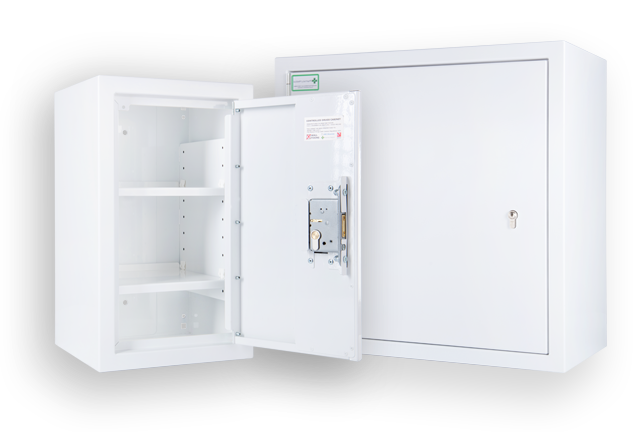
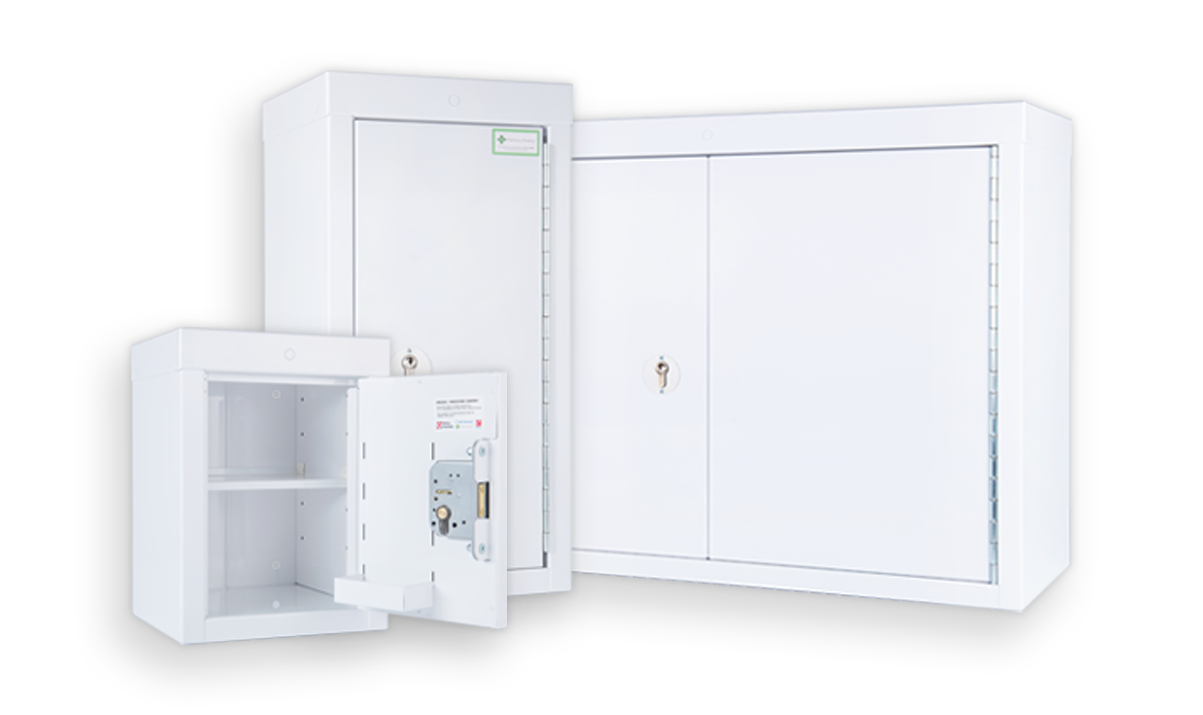
Controlled drug cabinets should be manufactured from robust steel and designed to resist forced entry.
Key features typically include:
- Heavy-duty welded steel construction
- Anti-lever door design
- Concealed or protected hinges
- High-security locking mechanisms
- Tamper-resistant fixings
Healthcare-grade cabinets provide significantly greater protection than standard office or domestic safes.
2. Cabinets Must Be Fixed to the Building Structure
One of the most overlooked requirements is proper installation.
Controlled drug cabinets should be securely fixed to:
- Structural walls
- Solid floors
- Suitable reinforced surfaces
Fixings must be appropriate for the wall construction and capable of resisting removal attempts.
A secure cabinet can become ineffective if poorly installed.
3. Access Must Be Restricted
Access should be limited to authorised members of staff only.
Care providers should maintain:
- Documented key control procedures
- Secure key storage arrangements
- Staff authorisation records
- Auditable access processes
Where electronic locking systems are used, providers should retain user access records and audit trails.
4. Cabinets Must Be Separate from General Medicines Storage
Controlled drugs should ideally be stored separately from routine medications to reduce risk and support accurate inventory management.
Dedicated controlled drug cabinets provide:
- Enhanced security
- Simplified audits
- Improved stock management
- Reduced risk of administration errors
British Standards and Industry Best Practice
Although not always a strict legal requirement, many healthcare organisations specify cabinets manufactured in accordance with recognised standards.
When selecting a controlled drug cabinet, care homes should look for:
- Healthcare-specific cabinet designs
- High-quality steel construction
- Secure locking systems
- Compliance with NHS and healthcare purchasing requirements
- Clear installation guidance
Choosing a healthcare-grade cabinet demonstrates a commitment to patient safety and governance.
Record Keeping Requirements
Secure storage is only one part of compliance.
Care homes must also maintain accurate documentation relating to controlled drugs.
This typically includes:
Controlled Drug Registers
Each administration, receipt and disposal of controlled drugs should be recorded accurately and contemporaneously.
Registers should include:
- Medicine details
- Quantity received
- Quantity administered
- Remaining stock balance
- Staff signatures where required
Regular Stock Checks
Routine audits help identify discrepancies before they become serious incidents.
Many providers conduct:
- Daily balance checks
- Weekly audits
- Monthly governance reviews
A documented audit process can provide valuable evidence during regulatory inspections.
Disposal of Controlled Drugs
Expired or unwanted controlled drugs must be disposed of in accordance with local policies and pharmaceutical waste regulations.
Providers should ensure:
- Appropriate witnessing procedures
- Disposal records are maintained
- Approved waste contractors are used where required
The disposal process should be fully auditable from start to finish.
Common Compliance Risks Identified in Care Homes
Regulators frequently identify issues such as:
- Cabinets that are insufficiently secured
- Poor key management procedures
- Incomplete controlled drug registers
- Inadequate stock reconciliation
- Lack of staff training
- Outdated medicines management policies
A proactive approach to medicines governance helps minimise these risks and supports safer resident care.
Choosing the Right Controlled Drug Cabinet
When selecting a controlled drug storage solution, care home operators should consider:
- Capacity requirements
- Future growth
- Installation location
- Locking options
- Audit requirements
- Regulatory expectations
A purpose-designed healthcare cabinet offers greater security, durability and long-term compliance than general-purpose safes or storage units.
Controlled Drug Storage Solutions from DC Medical Solutions
At DC Medical Solutions, we supply a comprehensive range of controlled drug cabinets, medicines storage solutions and healthcare equipment designed to support compliance across care homes, hospitals, GP surgeries and other clinical environments.
Our controlled drug cabinets are manufactured for demanding healthcare settings and are available in a range of sizes and configurations to suit both residential and nursing care facilities.
Whether you are developing a new care home, upgrading existing medicines storage or preparing for a CQC inspection, our team can help you select a secure and compliant solution.
Need Advice on Controlled Drug Storage?
Contact DC Medical Solutions for expert guidance on controlled drug cabinets, medicines storage and healthcare equipment designed to support compliance, security and patient safety across care environments.