


The Complete Guide to Controlled Drugs Cabinet Regulations in the UK (2026 Update)
The safe storage of controlled drugs is a critical responsibility for healthcare providers across the UK. Whether you’re managing a GP surgery, pharmacy, care home, veterinary practice, private clinic, or NHS facility, compliance with controlled drugs cabinet regulations is essential for patient safety, legal compliance, and protecting your organisation from theft, misuse, and regulatory action.
In this 2026 update, we explain the latest requirements, best practices, and practical considerations for controlled drugs cabinets in the UK.
What Are Controlled Drugs?
Controlled drugs (CDs) are medicines regulated under the Misuse of Drugs Act 1971 and the Misuse of Drugs Regulations 2001 due to their potential for misuse, dependence, or diversion. Examples include:
- Morphine
- Oxycodone
- Fentanyl
- Methadone
- Methylphenidate
- Buprenorphine (in certain circumstances)
Because of their high-risk nature, many controlled drugs must be stored securely in accordance with UK legislation and professional guidance.
The Key Legislation Governing Controlled Drugs Cabinets
Several regulations and guidance documents shape how controlled drugs must be stored in the UK.
1. Misuse of Drugs (Safe Custody) Regulations 1973
The primary legislation governing CD storage is the Misuse of Drugs (Safe Custody) Regulations 1973. These regulations require specified controlled drugs to be stored in a locked safe, cabinet, or secure room that meets structural security requirements. [legislation.gov.uk], [legislation.gov.uk]
The regulations include detailed requirements covering:
- Cabinet construction
- Locking mechanisms
- Secure installation
- Access restrictions
- Protection against unauthorised entry [legislation.gov.uk], [legislation.gov.uk]
2. Misuse of Drugs Regulations 2001
These regulations classify controlled drugs into schedules and determine which drugs require safe custody measures. Different schedules have different storage requirements. [cqc.org.uk], [pharmacys.org]
3. Controlled Drugs (Supervision of Management and Use) Regulations 2013
These regulations support governance, monitoring, and accountability arrangements for the management of controlled drugs within healthcare organisations. [cqc.org.uk]
Which Controlled Drugs Must Be Stored in a Controlled Drugs Cabinet?
Not every controlled drug is subject to the same storage requirements.
Generally, Schedule 2 controlled drugs, including morphine and oxycodone, require secure storage. Many Schedule 3 drugs are also subject to safe custody requirements, although some exemptions apply depending on the specific medicine and setting.
Because requirements can vary, healthcare organisations should always verify storage obligations against current legislation, local controlled drug policies, and guidance from their Controlled Drugs Accountable Officer.
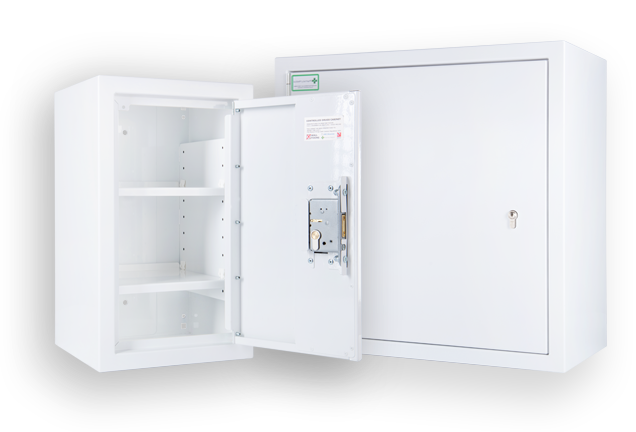
What Makes a Compliant Controlled Drugs Cabinet?
A controlled drugs cabinet is more than simply a lockable cupboard.
To satisfy regulatory expectations, a cabinet should provide robust protection against theft, unauthorised access, and tampering.
Key Features Include:
Strong Steel Construction
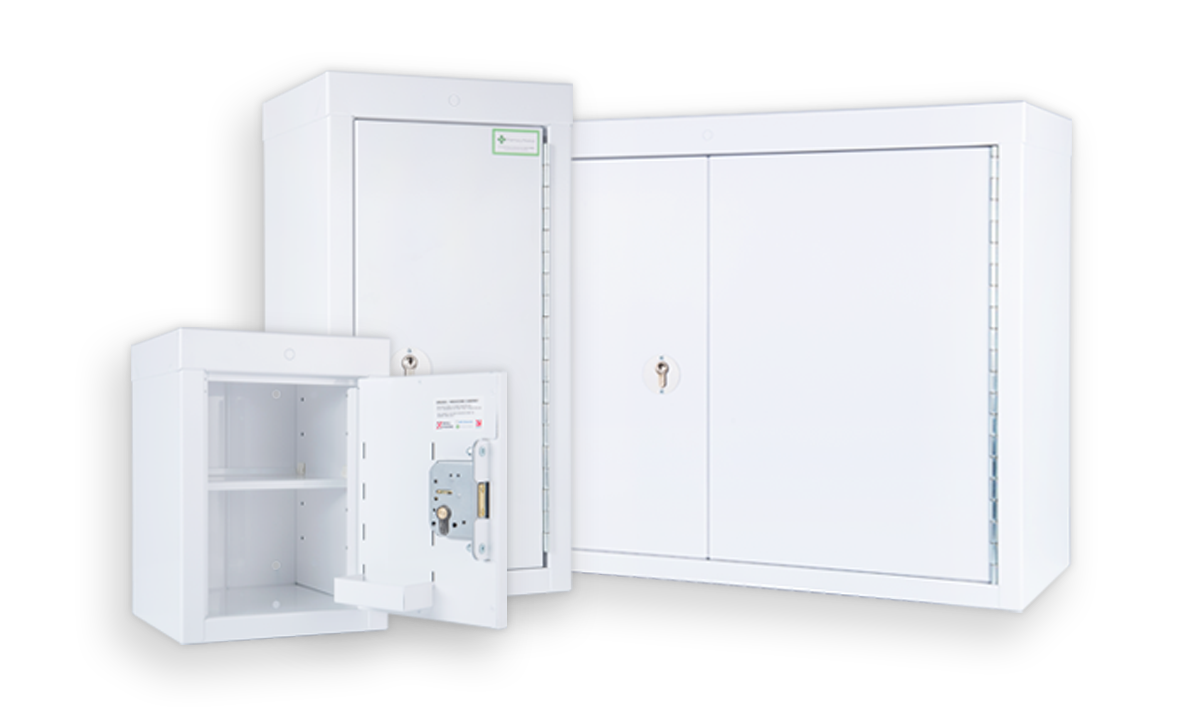
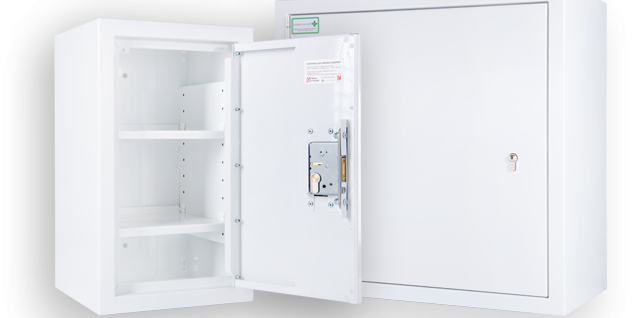
Controlled drugs cabinets are typically manufactured from welded steel to provide significant resistance against forced entry. The Safe Custody Regulations specify structural standards for safes and cabinets used to store controlled drugs.
High-Security Locking System
A compliant cabinet should incorporate a secure locking mechanism, with access restricted to authorised personnel only. Key control procedures should be clearly defined within organisational policies and SOPs.
Secure Wall Fixing
Cabinets should be permanently fixed to a solid wall or structure using appropriate security fixings. Poor installation can undermine otherwise compliant equipment.
No External Indicators
The Safe Custody Regulations discourage obvious external identification that could reveal the presence of controlled drugs within the cabinet.
Does a Controlled Drugs Cabinet Need to Meet BS 2881?
While the Misuse of Drugs (Safe Custody) Regulations 1973 remain the legal foundation, many healthcare organisations seek cabinets aligned with BS 2881, the British Standard relating to medicine storage cupboards in healthcare settings.
BS 2881 focuses on:
- Physical security
- Resistance to forced entry
- Lock performance
- Installation standards
- Healthcare storage environments [oxfordheal…ary.nhs.uk], [storage-ca…nets.co.uk]
Although BS 2881 itself is not the statutory requirement for controlled drugs storage, selecting cabinets that meet recognised security standards can support compliance efforts and demonstrate a risk-based approach to security.
Where Should a Controlled Drugs Cabinet Be Installed?
Location plays a major role in maintaining security.
Best practice recommendations include:
- Installing cabinets in restricted-access clinical areas
- Positioning cabinets away from public view
- Ensuring the surrounding structure is sufficiently robust
- Limiting access to authorised staff members
- Including cabinet locations within controlled drugs SOPs
Healthcare environments should also consider CCTV coverage, alarm systems, and wider physical security arrangements where appropriate.
Who Can Access a Controlled Drugs Cabinet?
Access should be strictly controlled and limited to authorised personnel.
Organisations should establish procedures covering:
- Key management
- Access authorisation
- Shift handovers
- Incident reporting
- Auditing and stock checks
Standard Operating Procedures (SOPs) should clearly define responsibilities and be regularly reviewed to reflect current practice and regulatory expectations.
Common Compliance Mistakes
Even well-intentioned organisations can fall short of compliance.
Some of the most common issues include:
- Cabinets that are inadequately secured to walls
- Poor key management practices
- Unauthorised staff access
- Missing or outdated SOPs
- Inaccurate controlled drugs records
- Failure to conduct regular audits
These issues can increase the risk of diversion, theft, and regulatory scrutiny.
Choosing the Right Controlled Drugs Cabinet
When selecting a controlled drugs cabinet, healthcare providers should consider:
✅ Compliance with relevant regulations
✅ Robust steel construction
✅ High-security locking systems
✅ Professional installation options
✅ Suitable storage capacity
✅ Trusted UK supplier support
✅ Long-term durability and reliability
The right cabinet should not only help meet legal requirements but also support effective medicines management and operational efficiency.
Why Healthcare Providers Trust DC Medical Solutions
At DC Medical Solutions, we supply high-quality controlled drugs cabinets designed for healthcare environments across the UK. Our range is selected to support regulatory compliance, security, and day-to-day practicality for healthcare professionals.
Whether you’re outfitting a new clinic, upgrading existing facilities, or seeking expert advice on medicines storage solutions, our team can help you identify the right option for your environment.
Final Thoughts
Controlled drugs security remains a core component of healthcare governance in 2026. By understanding the relevant legislation, implementing robust procedures, and investing in high-quality controlled drugs cabinets, organisations can reduce risk, protect patients, and maintain compliance with regulatory expectations.
If you’re reviewing your current controlled drugs storage arrangements, now is the ideal time to assess whether your cabinets, procedures, and security measures still meet modern standards.
Need expert advice on controlled drugs cabinets? Contact DC Medical Solutions today to discuss compliant, secure storage solutions tailored to your healthcare setting.